
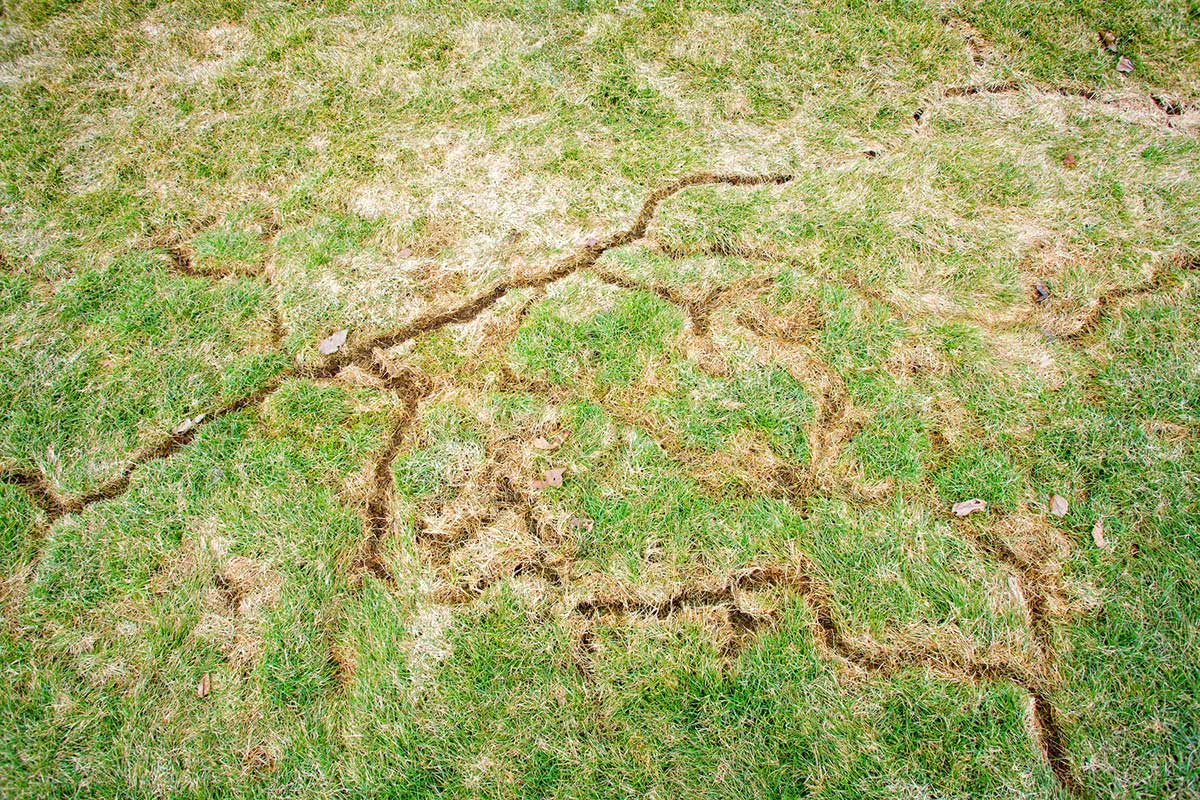
Every spring in Edmonton, homeowners pull back their winter covers literally and figuratively only to discover their once-lush lawn has been quietly ravaged while buried under months of snow. Two of the most common and frustrating culprits? Snow mold and vole damage. If you’re standing in your yard right now staring at matted grey patches or strange winding trails running through your grass, you’re not alone and more importantly, you’re not without options.
Having worked on hundreds of Edmonton lawns over the years, I can tell you with confidence: both snow mold and vole damage are highly recoverable. Most lawns that look genuinely dead in April are actively greening up by June provided you take the right steps at the right time. This guide walks you through exactly how to do that, from diagnosis all the way through full recovery.
Let’s get your lawn back.
Understanding Edmonton’s Spring Lawn Threats
Before diving into fixes, it helps to understand exactly what you’re dealing with. Edmonton’s climate is uniquely harsh on turf grass. With winters regularly dipping below -20°C and snow cover that can persist from November through late March, lawns here endure stress that turf in milder climates simply never faces.
That prolonged snow cover creates the perfect breeding environment for two very different types of damage one fungal, one rodent-related both of which tend to show up at the same time and can easily be mistaken for each other if you don’t know what to look for.
What Is Snow Mold? Identifying the Fungal Problem
Snow mold is a fungal lawn disease that develops under the snow pack. In Edmonton, we predominantly see two species:
Grey Snow Mold (Typhula spp.):
The most common type on the prairies. Circular, straw-coloured or ash-grey patches from a few centimetres to nearly a metre across. Grass blades are matted together, often with visible grey-white mycelium at the margins. Active between -5°C and +7°C — precisely Edmonton’s shoulder season range.
Pink Snow Mold (Microdochium nivale):
Less common but more aggressive. Salmon-to-pink patches that do not require snow cover to develop — they can spread in cool, wet conditions well into spring. If you’re seeing pink-tinged circles in May or June, this is likely your culprit.
Key Snow Mold Indicators:
- Circular or irregular patches of dead, matted grass (bleached tan, grey, or pink)
- Grass blades matted flat to the soil, almost papery in texture
- Faint webbing or cottony mycelium at patch edges during cool morning conditions
- Patches concentrated where snow accumulated longest (north-facing slopes, near fences, low-lying spots)
- Lawn otherwise looks healthy outside of distinct circular zones
What Is Vole Damage? Identifying the Rodent Problem
Voles often called meadow mice are small rodents that use the insulating blanket of snow as a protected highway system throughout winter. While you’re warm inside, these industrious little creatures are tunnelling through your lawn just above the soil surface, chewing grass crowns and roots to survive the cold.
The meadow vole (Microtus pennsylvanicus) is the primary species affecting Edmonton lawns. They don’t hibernate — they’re active all winter, and the damage they leave behind becomes visible only once the snow melts in spring.
Key Vole Damage Indicators:
- Winding, spaghetti-like runways or tunnels through the grass (1–2 inches wide)
- Short-cropped or completely bare channels where grass has been eaten down to the soil
- Piles of grass clippings or droppings at tunnel intersections (vole latrines)
- No circular pattern — vole damage follows irregular trails rather than patches
- Damage most severe along lawn edges, near garden beds, fence lines, or areas with heavy leaf litter
- Small entry/exit holes leading to burrows at tunnel ends
How to Fix Snow Mold in Edmonton: Step-by-Step
The good news about snow mold is that it is almost always a surface problem. The fungus attacks the leaf blades and in some cases the crowns, but in the majority of Edmonton lawn cases the root system beneath is perfectly intact and ready to generate new growth. Here’s how to encourage that recovery:
Step 1: Allow the Lawn to Dry Out First
Resist the urge to work on the lawn while it’s still saturated from snowmelt. Walking on a waterlogged lawn compacts the soil and spreads fungal spores. Wait until the soil surface is firm and the grass blades are no longer visibly wet — usually a matter of days after temperatures consistently rise above freezing.
Step 2: Rake and Dethatch the Affected Areas
This is the single most important step in snow mold recovery. Using a stiff-tined lawn rake or a mechanical dethatcher, vigorously rake the matted patches. You’re doing two things simultaneously: physically breaking up the compacted, matted grass so air can reach the soil, and removing the dead infected material that harbours the fungus.
Don’t be shy with this step. Raking a snow mold patch hard enough often reveals live, pale-green grass shoots underneath the dead layer a genuinely encouraging sight. Bag and dispose of the raked material (don’t compost it, as you risk spreading spores).
Step 3: Improve Airflow with Core Aeration
Snow mold thrives in dense, compacted turf where air circulation is poor. Core aeration pulling small plugs from the soil directly addresses this by opening the thatch layer, improving gas exchange, and allowing the soil to warm more quickly. For Edmonton lawns with significant snow mold history, annual spring aeration is strongly recommended.
Step 4: Overseed Bare or Severely Damaged Patches
For patches where the fungus has killed the crowns and the lawn simply won’t recover on its own, overseeding is your path forward. In Edmonton, use a cold-hardy turf blend suited to Zone 3b conditions — Kentucky bluegrass, creeping red fescue, and perennial ryegrass mixes perform well and establish quickly in spring.
Lightly rake the affected area, broadcast seed at the recommended rate, gently press into contact with the soil (a lawn roller works well), and keep consistently moist until germination — typically 10–21 days in Edmonton’s spring temperatures.
Step 5: Apply a Balanced Spring Fertilizer
Once the lawn has dried and you’ve completed raking and overseeding, apply a balanced slow-release spring fertilizer something in the range of a 20-5-10 or 24-2-8 NPK ratio. Nitrogen encourages lateral spread and tillering that fills in damaged areas. Avoid high-nitrogen quick-release fertilizers on newly seeded patches, as they can burn tender seedlings.
How to Fix Vole Damage in Edmonton: Step-by-Step
Vole damage can look alarming in spring a lawn covered in snaking bare channels gives the impression of serious destruction. In reality, the vast majority of vole-damaged lawns recover fully within 4–8 weeks of proper treatment because the soil structure and root system beneath the tunnels are generally unharmed.
Step 1: Rake Out the Tunnels and Remove Debris
Start by raking along all visible vole runways. You’re clearing out the accumulation of dead grass clippings, droppings, and nesting material that voles leave behind. This material blocks sunlight and air from reaching the soil, slowing recovery significantly.
Step 2: Lightly Firm Up Any Disturbed Soil
Voles sometimes loosen the soil along their tunnels. After raking, lightly tamp down any raised or displaced soil with the back of your rake or a lawn roller to ensure good soil-to-seed contact for the overseeding step ahead.
Step 3: Overseed the Bare Channels
Bare vole runways won’t fill in on their own quickly enough to prevent weeds from colonizing the space. Overseed along all visible channels with a quality turf blend suited to Edmonton’s growing conditions — approximately 3–4 kg per 100 m² in bare areas. Rake lightly to incorporate and water consistently.
Step 4: Fertilize to Encourage Lateral Spread
Apply a balanced slow-release fertilizer to support vigorous new growth. Healthy, dense turf is your best long-term defence against voles — they prefer to tunnel under thin, sparse grass. Building a thick lawn now reduces your vulnerability to repeat damage next winter.
Step 5: Wait and Watch
I’ve seen lawns with dramatic vole damage in April look completely normal by Canada Day. Once daytime temperatures are consistently above 10°C and the surrounding grass begins actively growing, the lateral spread of healthy turf combined with your new seedlings will visibly fill in the channels week by week.
When You Have Both Snow Mold AND Vole Damage
It’s not uncommon to face both problems simultaneously in Edmonton. The approach is fundamentally the same — rake everything thoroughly, aerate, overseed, and fertilize but there are a few nuances worth noting:
- Rake snow mold patches and vole channels as separate passes. Snow mold areas need more aggressive raking to break up matted grass, while vole channels need gentler treatment to preserve underlying crowns.
- Bag all raked material from snow mold patches separately from vole debris. Snow mold infected material should not be composted.
- Don’t panic if an area looks like bare soil after raking the overseed and warm temperatures will address it quickly.
- Prioritize watering overseeded areas for the first 21 days regardless of damage type; consistent moisture is the key to quick germination.
Preventing Snow Mold and Vole Damage Next Year
Fixing this year’s damage is only half the battle. Prevention is where smart Edmonton homeowners gain the upper hand.
For Snow Mold Prevention:
- Cut your lawn short in fall aim for 5–6 cm at your final mow of the season. Long grass is significantly more susceptible to snow mold.
- Complete a thorough fall cleanup before snowfall. Remove all fallen leaves, thick thatch, and plant debris that trap moisture under the snow pack.
- Avoid piling snow in the same areas every year recurring deep snow accumulation zones are where snow mold will strike hardest.
- Consider a preventative fungicide application in October on lawns with a history of severe annual snow mold.
- Aerate in fall to improve drainage and reduce the compact, moisture-retaining conditions the fungus loves.
For Vole Prevention:
- Mow short before winter same as for snow mold. Lower grass gives voles less cover and food.
- Clear all leaf piles, mulch piles, and dense ground cover from lawn edges before the first snowfall. These are prime vole habitat and breeding grounds.
- Install a hardware cloth cylinder around the base of any trees or shrubs voles will girdle young trees under the snow.
- Reduce available food sources near the lawn: move bird feeders away from lawn areas in late fall, as spilled seed attracts and sustains vole populations.
- Consider bait stations or snap traps placed along lawn edges in fall if vole populations have been consistently high on your property.
Edmonton Spring Lawn Recovery Timeline
Timing matters enormously in Edmonton lawn care. Act too early and you’re working in saturated soil. Wait too long and weeds colonize bare areas before your grass can. Here’s a general timeline for Edmonton’s typical spring conditions:
| Timing | Action |
| Early April | Assess damage as snow recedes. Note affected zones but do not work on saturated lawn. |
| Mid-April | Rake and dethatch once soil surface is firm. Remove all snow mold and vole debris. Begin core aeration. |
| Late April | Overseed all bare areas. Apply spring fertilizer (nitrogen-forward blend). |
| Early May | First light mowing once new seedlings are 4–5 cm. Continue consistent watering. |
| Mid-May | Assess recovery progress. Spot overseed any areas with thin coverage. |
| June | Full recovery expected. Resume normal mowing schedule and summer maintenance routine. |
When to Call a Professional Lawn Care Team
Many Edmonton homeowners successfully manage mild-to-moderate snow mold and vole damage on their own. But there are situations where professional intervention genuinely accelerates recovery and prevents lasting damage:
- More than 40–50% of your lawn is affected, making DIY treatment impractical
- The same areas have suffered severe damage for multiple consecutive years, suggesting an underlying soil or drainage issue
- You’re not confident identifying whether the problem is snow mold, vole damage, or something else (winter kill, dog urine, de-icing salt damage all look similar)
- Your lawn has not begun showing new growth 3–4 weeks after snow melt despite appropriate conditions
- You simply don’t have the time to complete raking, aerating, overseeding, and fertilizing before the weeds take over
At Season Edge, our spring cleanup service is specifically designed to address exactly these issues. Our team has worked on Edmonton lawns through dozens of springs and has developed a systematic approach to assessing, raking, aerating, and seeding damaged turf that gets lawns recovering faster than a DIY approach alone.
The Bottom Line: Don’t Give Up on Your Lawn
Edmonton winters are long, cold, and genuinely hard on lawns. Snow mold and vole damage are a real and annual reality for many homeowners across the city. But they are not a death sentence for your turf.
With prompt action in spring raking, aerating, overseeding, and consistent watering the vast majority of affected Edmonton lawns recover completely. The grass is almost always greener on the other side of May. You just have to give it the right conditions to get there.
If you’re in Edmonton and need help assessing or recovering your lawn this spring, Season Edge is here. We offer professional spring cleanup, dethatching, core aeration, and overseeding services across residential and commercial properties throughout the city. Give us a call at 780-804-1167 or reach out through seasonedge.ca to get a quote. Your lawn has been through a long winter let’s bring it back together.